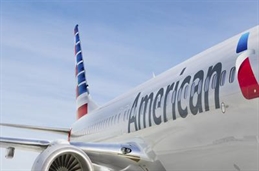
American Airlines has publicly shut down speculations of a merger with United Airlines, calling the possible consolidation “anti‑competitive.”
The Fort Worth, Texas-based carrier said in a statement that it is not in talks with United Airlines regarding a merger.
“American Airlines is not engaged with or interested in any discussions regarding a merger with United Airlines,” the carrier said in a statement.
“While changes in the broader airline marketplace may be necessary, a combination with United would be negative for competition and for consumers, and therefore inconsistent with our understanding of the Administration’s philosophy toward the industry and principles of antitrust law,” it added.
The airline noted that its focus remains on executing long‑term strategic goals — and positioning American to “win for the long term.”
The clarification follows weeks of mounting rumors after reports said United CEO Scott Kirby allegedly floated the idea to President Donald Trump during a February meeting, pitching the merger as a way to strengthen U.S. competitiveness in international aviation.
The merger concept first entered public discussion after Transportation Secretary Sean Duffy signaled on April 7 that he would not rule out the possibility of consolidation among major U.S. carriers, though he noted any such deal would require asset divestitures and case‑by‑case review.
A week later, reports surfaced that Kirby had reportedly raised the idea with the White House, prompting immediate scrutiny from lawmakers, analysts, and advocates concerned about reduced competition and higher fares.
Analysts have noted that merging two of the world’s largest network carriers—already dominant in domestic capacity—would face extraordinary regulatory scrutiny, given their overlapping hubs, extensive route networks, and the already concentrated U.S. airline market.
A merger between American and United would also reshape the U.S. air cargo landscape.
The two carriers operate some of the country’s largest belly‑cargo networks, and combining them would concentrate significant lower‑deck capacity at major hubs such as Chicago, Dallas–Fort Worth, Houston and Newark.
Freight forwarders warn this could reduce competition, limit routing options and put upward pressure on rates, especially on long‑haul lanes that rely heavily on widebody belly space.
Any tie‑up would also require integrating two large cargo divisions with different products and digital systems, raising the risk of service disruption during a transition—factors that would likely draw close scrutiny from antitrust regulators who would evaluate cargo impacts alongside passenger markets.